In addition to its stretches of fine sand, the Royan region is a land where history, built heritage and culture make the territory rich. We set off to discover times gone by to better understand today's coast.
Royan Atlantique, a territory marked by its history
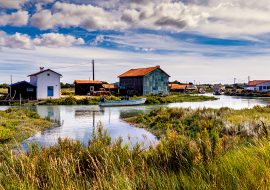
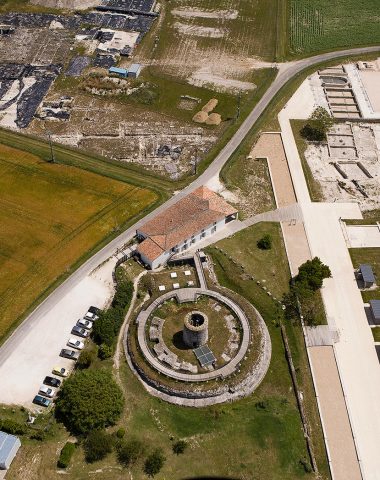
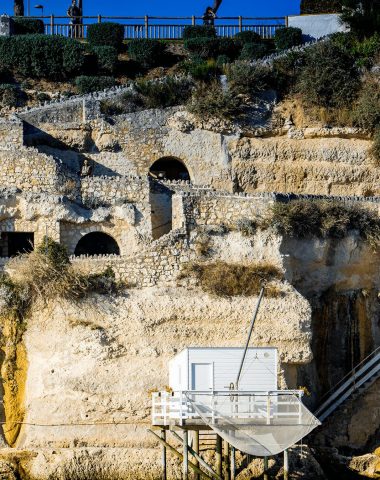
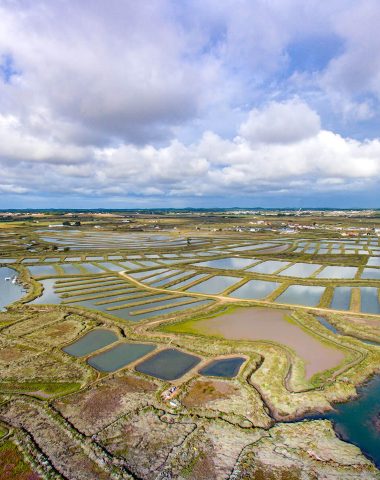
Human presence in Saintonge is not recent. Indeed, traces of human activity date back to Antiquity. Proof of this lies in the archaeological site of Le Fâ , a Gallo-Roman site in the commune of Barzan. Over the centuries, humans have left behind a rich heritage and culture. On the Gironde estuary, the troglodytic dwellings are a testament to this legacy. Along the Seudre River, the landscapes have also been shaped by human activity, initially for salt production and more recently for the development of oyster farming.
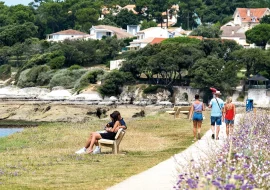
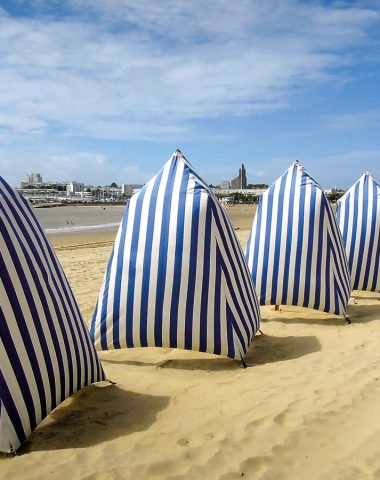
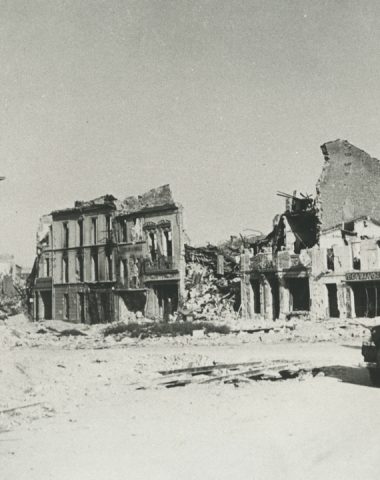
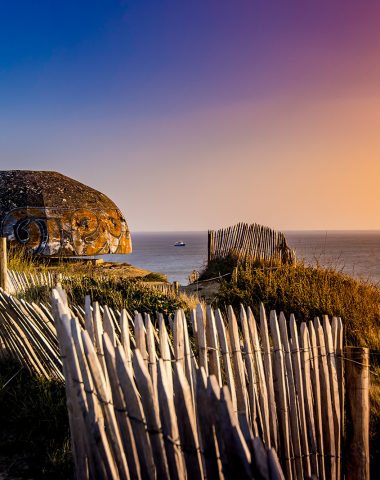
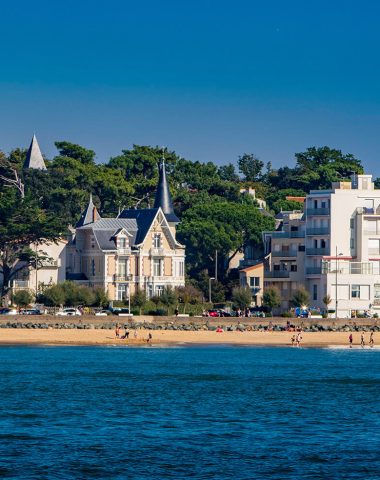
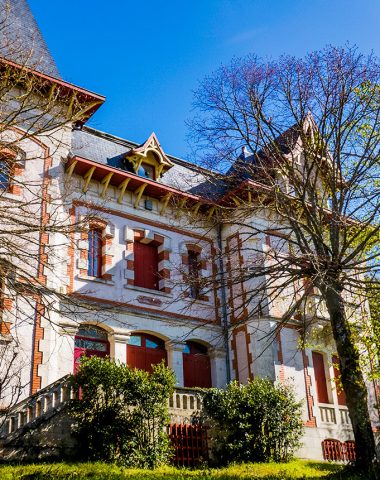
Closer to our time, the legacy of sea bathing gave rise to the seaside resorts we know today. Belle Époque architecture is particularly prevalent on Boulevard Garnier in Royan. History has not always been easy for the Royan region. The Second World War left behind the remnants of the Atlantic Wall.
Built heritage and villages of character
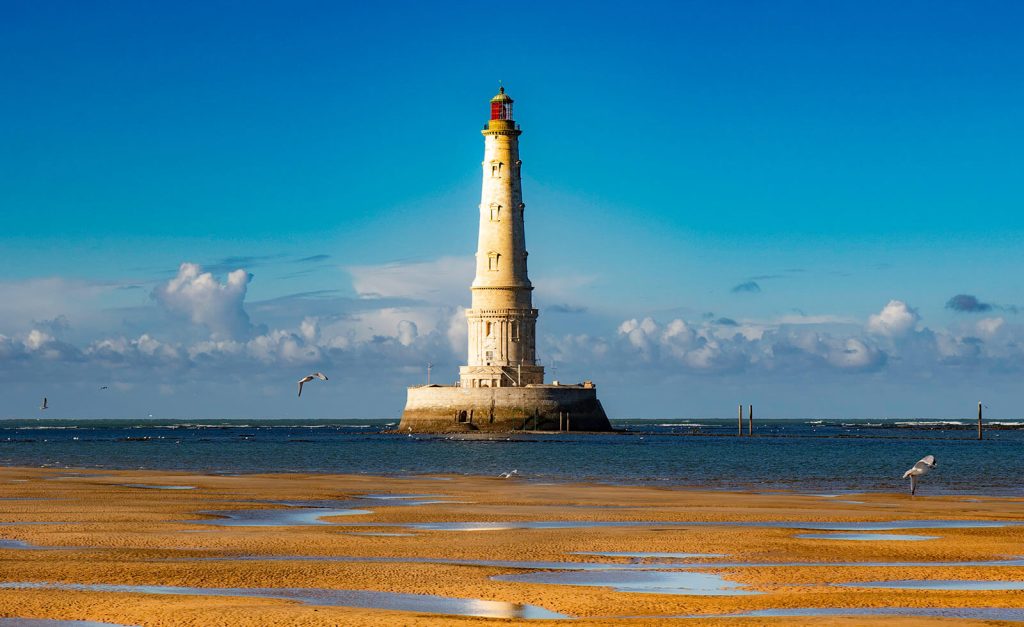
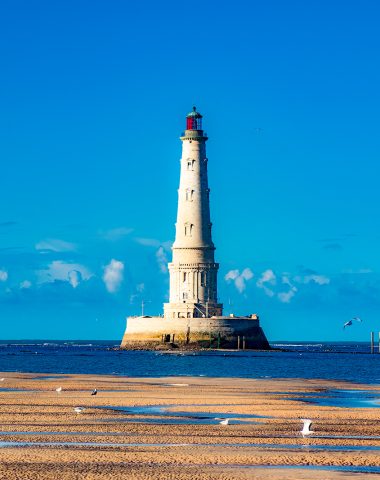
Cordouan Lighthouse
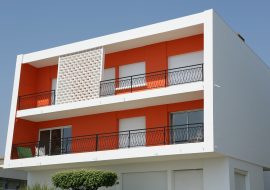
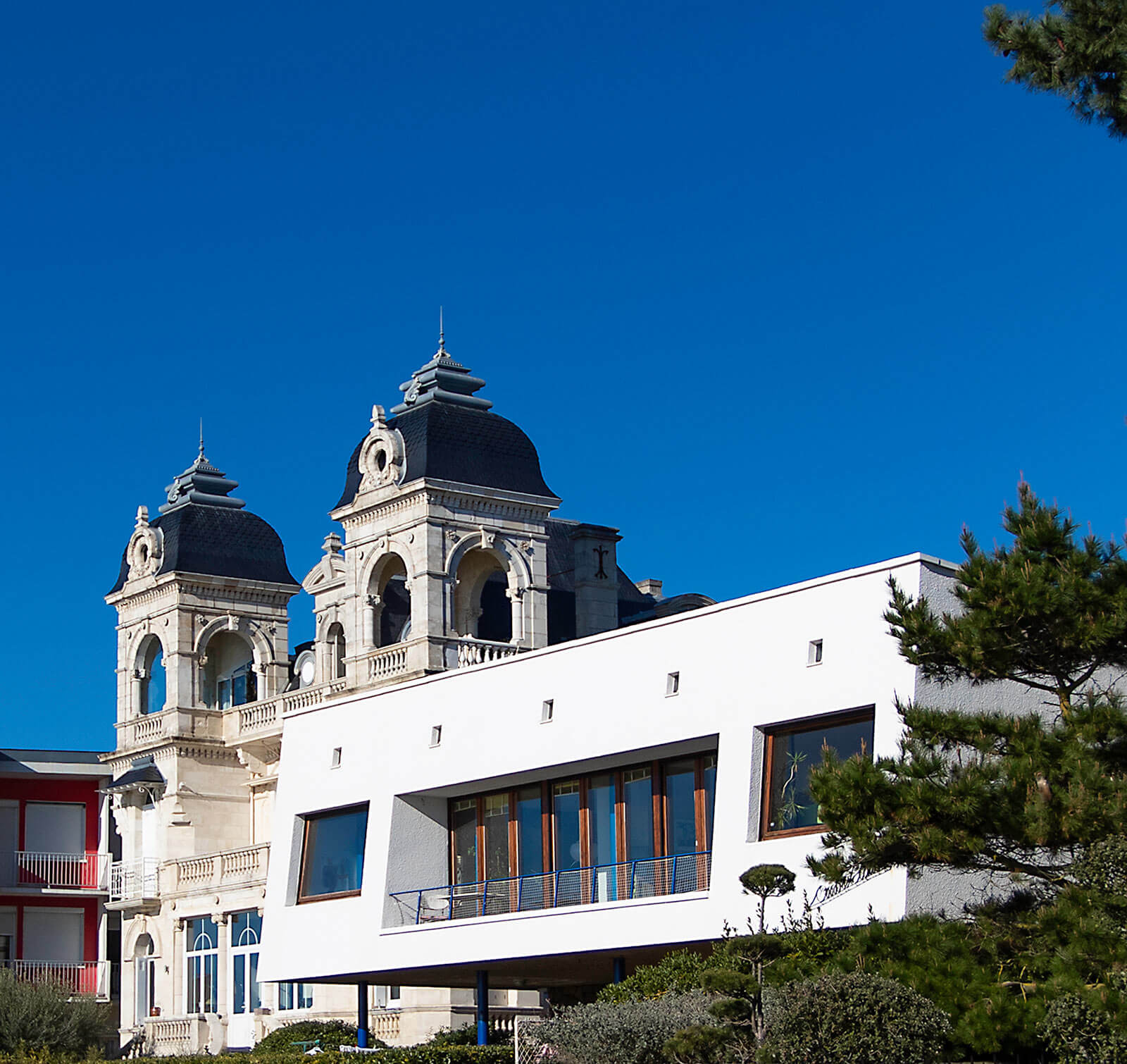
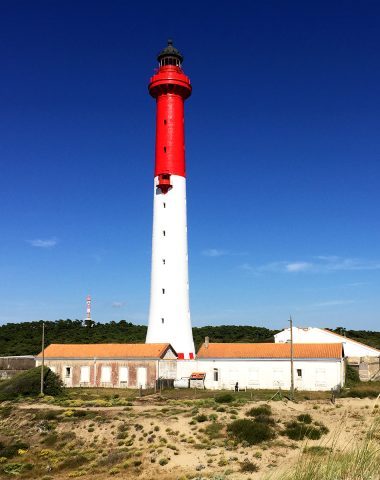
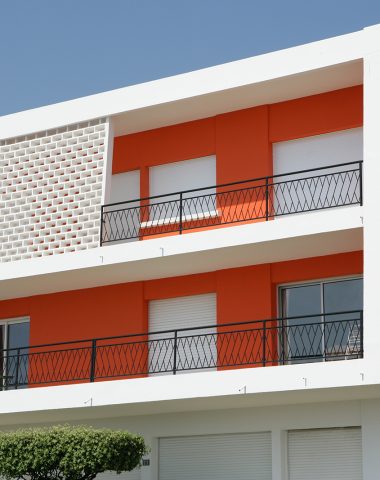
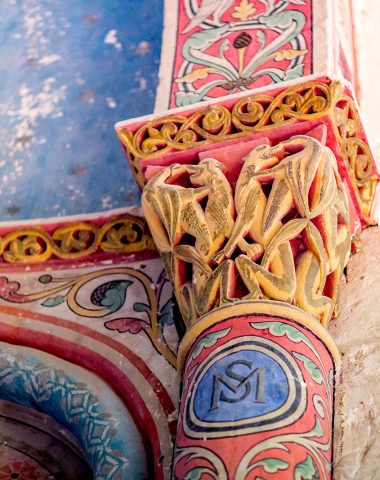
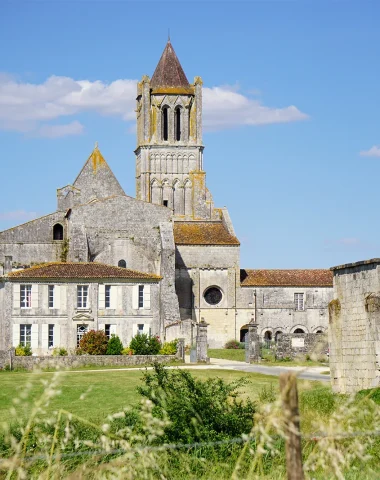
From the Coubre lighthouse in the town of La Tremblade to the Romanesque church of Corme-Écluse and the 50s-style Boomerang villa in Royan Park, Royan Atlantique is full of architectural treasures. You will be surprised by an exceptional maritime heritage, an atypical architectural mix where Belle Epoque villas rub shoulders with those from the 50s and the predominant presence of Saintonge Romanesque art in the Royan hinterland.
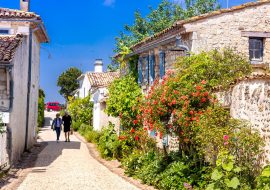
Beyond this rich heritage, the character of the small Charente villages where craftsmen, shops and hollyhocks mingle does not leave us indifferent.
At the heart of our history
At the heart of our history, man has left his mark on the country of Royan. From the caves of Meschers dug into the side of the cliff on the Gironde estuary, to the architecture of the 50s, synonymous with the reconstruction of the town of Royan, via the Gallo-Roman site of Fâ, History has shaped the territory to…
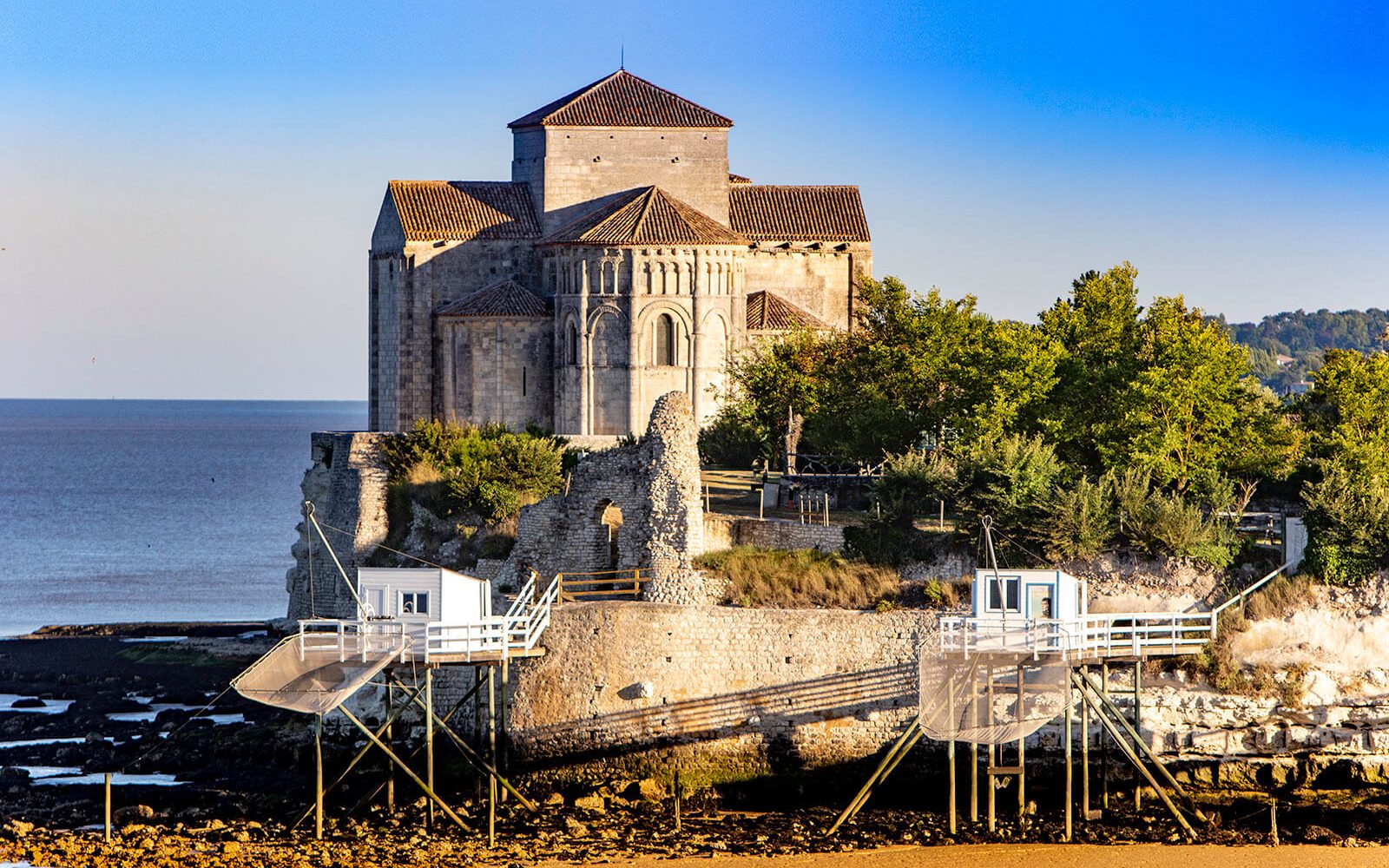
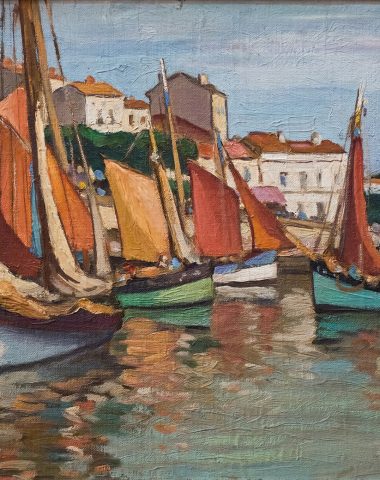
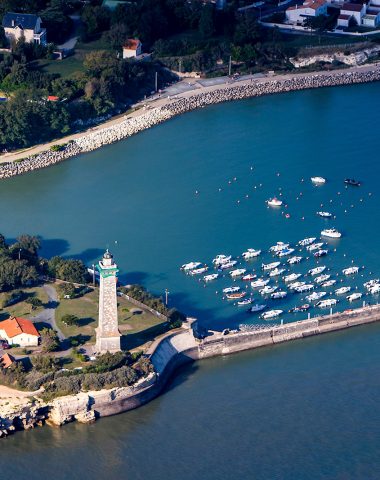
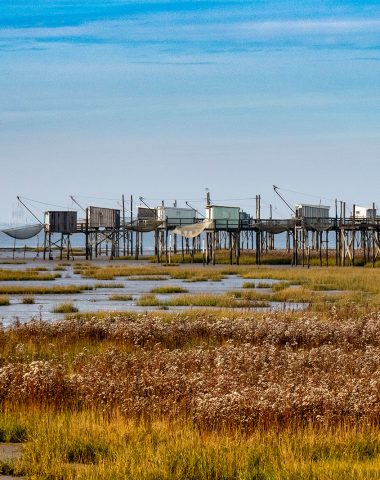
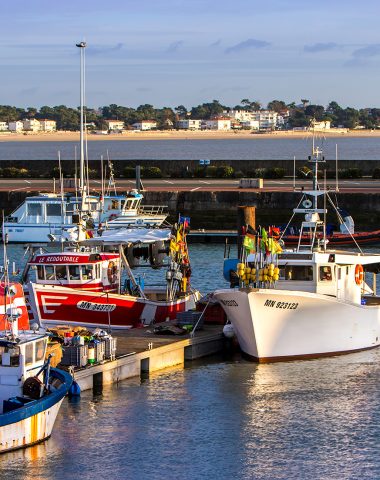
From the Atlantic Ocean to the estuaries, the maritime heritage shapes the territory's landscapes. First of all, the carrelets, these small fishing huts on stilts, dot the Royan coast. They can be discovered along the coast from Talmont-sur-Gironde to Saint-Palais-sur-Mer. From the most emblematic to the most discreet, the lighthouses of the Royan region guide sailors like…
The architecture of the country of Royan crosses time and landscapes. Coastal villas – Belle Époque or 50s – serve as a showcase for local resorts. They bring to life the seaside spirit of our resorts, particularly in Royan and Saint-Palais-sur-Mer. Hamlets and towns dot our countryside, between fields and marshes,…
Beyond the seaside resorts that make it famous, Royan Atlantique is rich in villages. Also rich in heritage, from the hillsides of the Gironde to the marshes of the Seudre, across fields or on the edge of forests. Often discreet, sometimes secret, these characterful villages reveal themselves to those who deserve it, to those who will do the…
A multifaceted territory, Royan Atlantique conceals a rich natural and cultural heritage. Full of contrasts, it has remarkable assets: picturesque ports, towns and villages of character, unspoiled nature between sea and countryside, tasty products... Every step is an opportunity to (re)discover a unique place and history thanks to our…