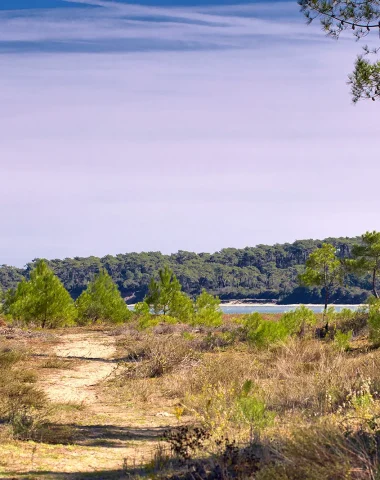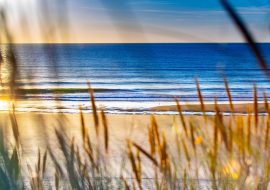
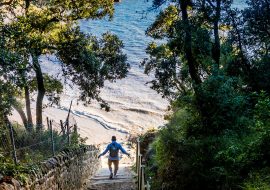
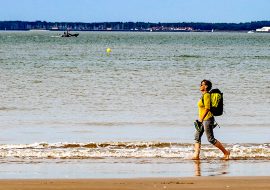



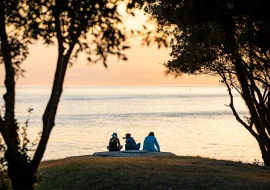
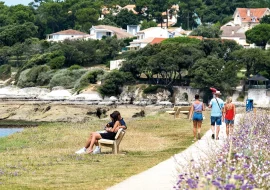


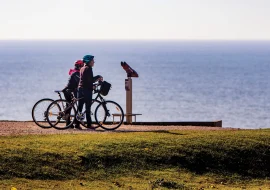

With its 34 fine sandy beaches , Royan Atlantique is a coastal area close to nature. Along the entire length of the Côte Sauvage (20 km), the dunes shelter a unique ecosystem. The vegetation there is particularly vulnerable. This coastline, ideal for walking, offers a unique panorama between ocean and forest.
Coastal dunes, a fragile environment
Our territory is home to all the stages of the dune:
- embryonic dune
- white dune (mobile)
- and finally dune gray (fixed).
Each of these states is home to fauna and flora adapted to extreme conditions: salt spray, wind, temperature, rare fresh water...
The different types of dunes
The embryonic dune is the part located at the top of the beach. It is therefore the most exposed to the onslaught of the ocean and wind. This is where the wrack line , formed by the successive tides, is found. It serves as a refuge for birds. It also allows some halophytic plant species to thrive: sea purslane, sea spurge, sea rocket…
At the rear, the dune rises; this is the white dune . It is the upper part of the dune ridge, recognizable by its vegetation, mainly composed of marram grass . Although these plants with deep roots help to stabilize the sand, the white dune is mobile, subject to the whims of the wind.
Further inland from the beach, you finally reach the grey dune , so named because of the color of the plants that grow there. Mosses and lichens make up a significant portion of this low-lying grassland. Beyond this lies the wooded dune , which plays a major role in stabilizing the sand. It originated from the artificial planting of the dunes in the 19th century.
An ecosystem to preserve
This unique dune ecosystem is considered a habitat of significant ecological importance at the European level. It is classified as a Natura 2000 site . The main threats to this highly dynamic environment are human-caused: beach cleaning that removes seaweed, overcrowding, trampling, traffic on the dunes, pollution, etc. But they are also natural: ocean currents, storms, and more broadly, climate change. The Côte Sauvage ( Wild Coast) is one of the most dynamic coastlines in France. For example, the Embellie beach area has receded by 160 meters in the last seven years. The retreat of the Grande Côte beach is also impressive. The forests protecting our territory against natural erosion are the first line of defense, along with the white and gray dunes.
Concerned about preserving this natural heritage, conservation measures are in place. First, the installation of chestnut paling fences guides the public and limits trampling in the most sensitive areas. Second, refuge areas are created for fauna and flora . And third, areas where the dunes are growing naturally are managed. These measures are important because trampling the dunes crushes the plants that anchor and stabilize the sand. This accelerates the erosion of the dune system.
The Interrupted Plover, a protected species
The dunes are home to many species (birds, amphibians, insects, etc.) sensitive to disturbance. This is particularly the case in spring and also in early summer when the breeding season is in full swing. And also in winter when the birds are full of energy in preparation for their migration.
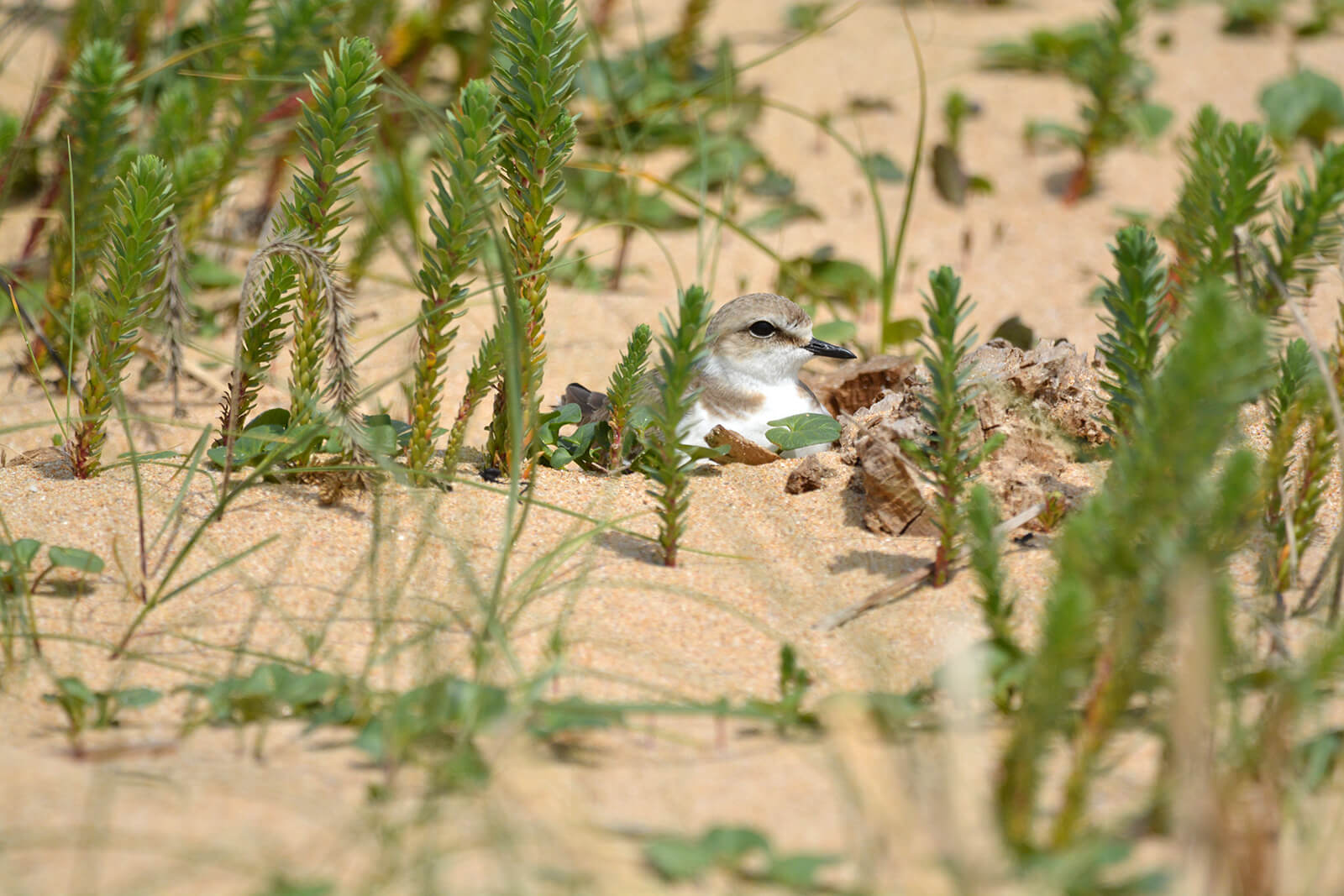
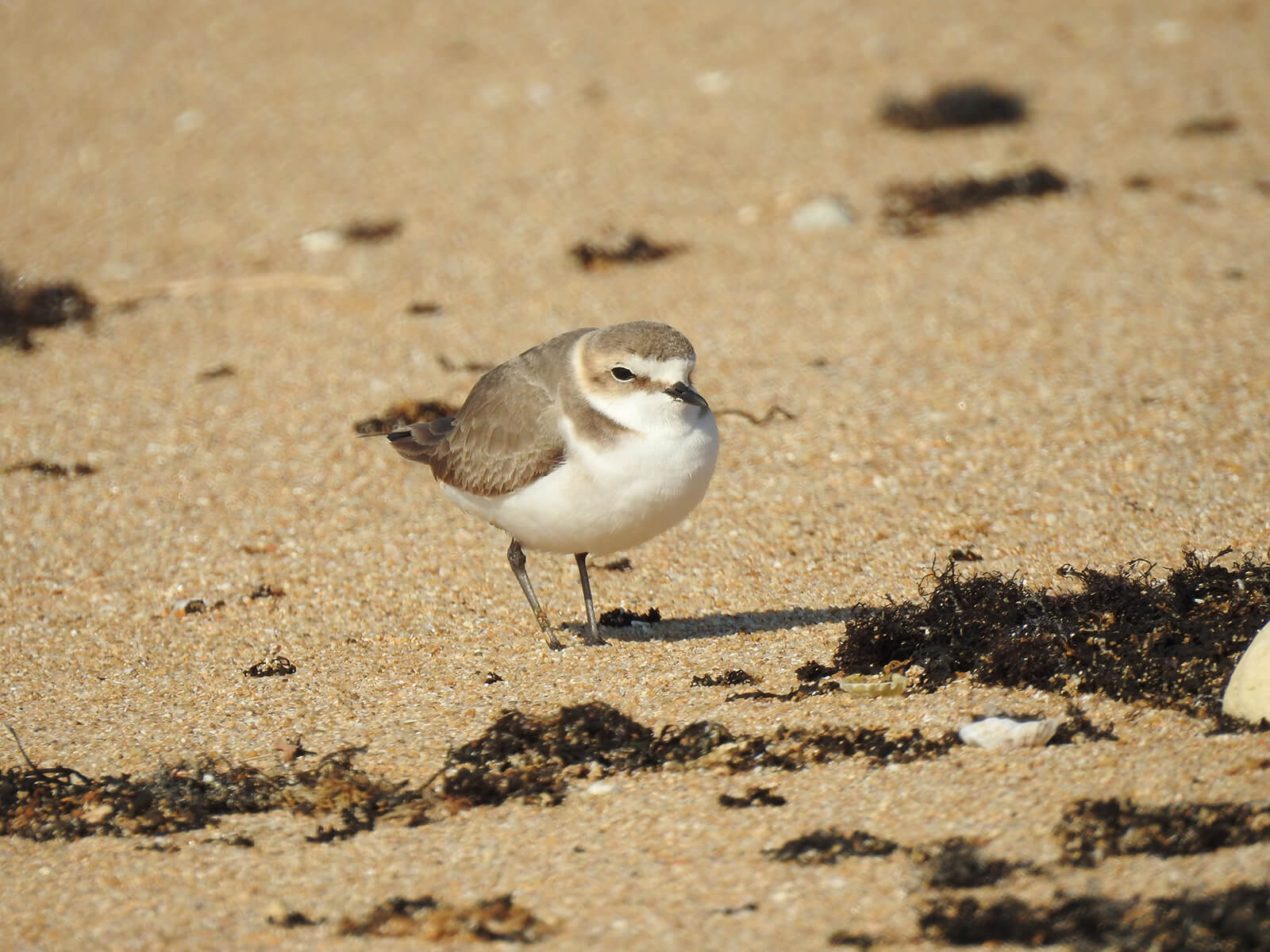
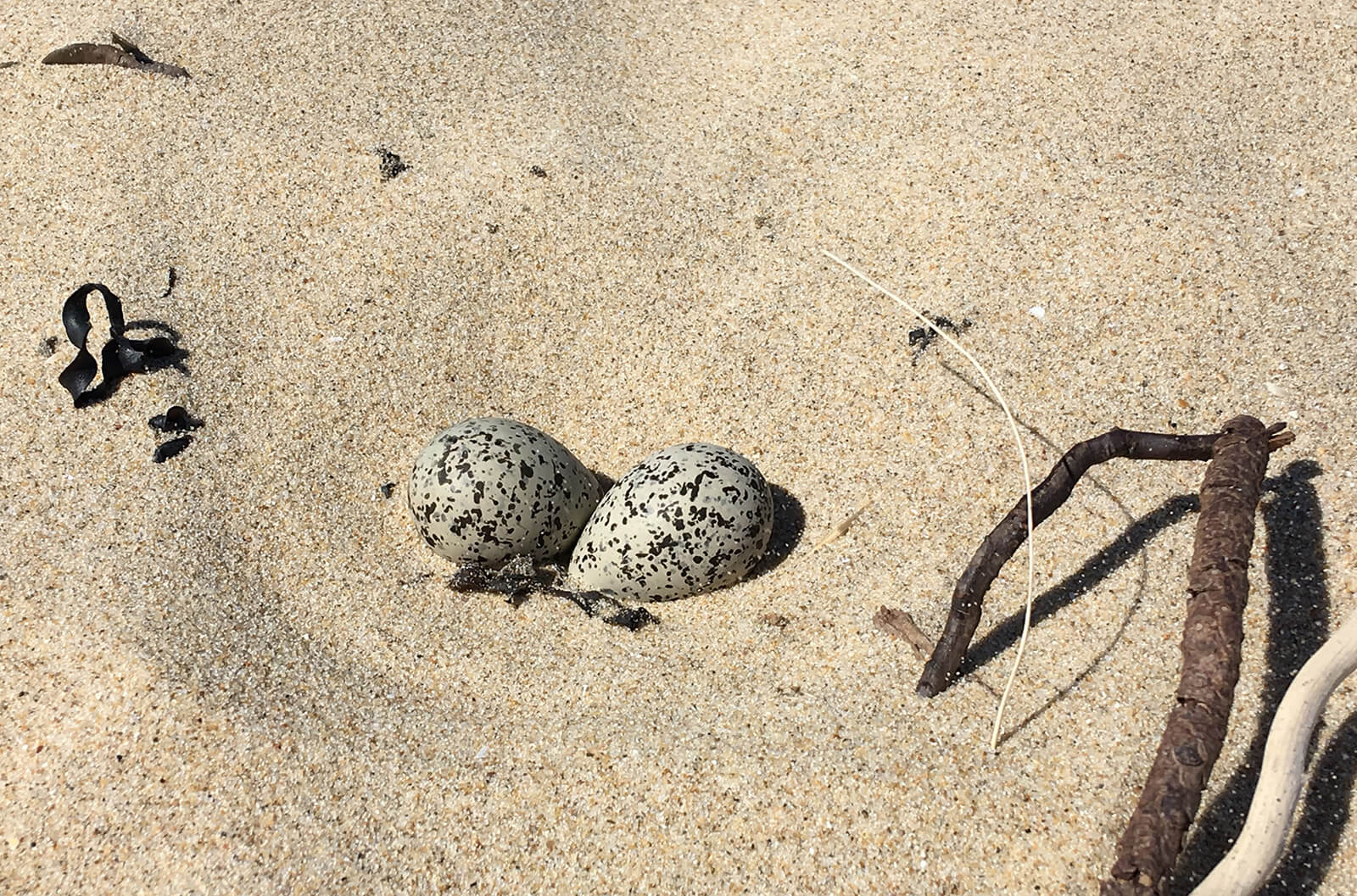
One of the flagship species of our dunes is the Kentish plover. The Côte Sauvage (Wild Coast) hosts 30% of the Charente population during the breeding season, between April and July. This "endangered" species is on the Poitou-Charentes red list of breeding birds. This status is due to its breeding method: the plover nests directly on the sand! Thanks to a healthy coastline, it finds shelter and food, particularly in the wrack line, composed of natural debris deposited with each tide, which should not be collected. This wrack line is, in particular, the source of dune formation. Everything is therefore connected!