
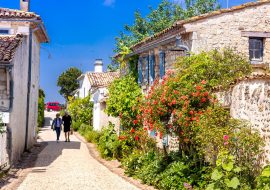










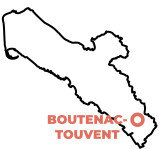
On the road between Royan and Bordeaux, you pass through a small village with simple charm, far removed from the allure of cities and seaside resorts. This small village is "Touvent" of Boutenac-Touvent. The two hamlets were combined in 1972 to become a single village.
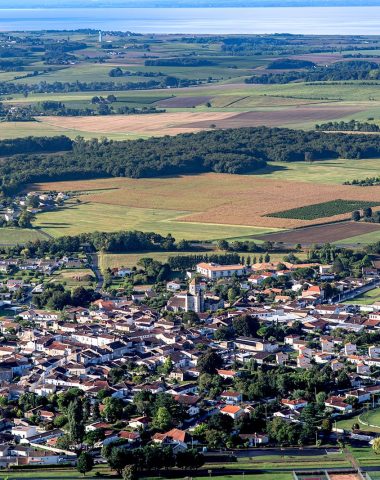
Less than 5 km from Mortagne-sur-Gironde, the commune stretches across the Fondevine valley to the banks of the estuary. Each of the two areas has its own distinct character:
- Often to the north, a town on a limestone plateau.
- Boutenac to the south, a hamlet in the middle of the Gironde hills.
Let's take the time to stop for a step aside in the heart of rural Saintonge.
Touvent, a rural village on the road to Bordeaux
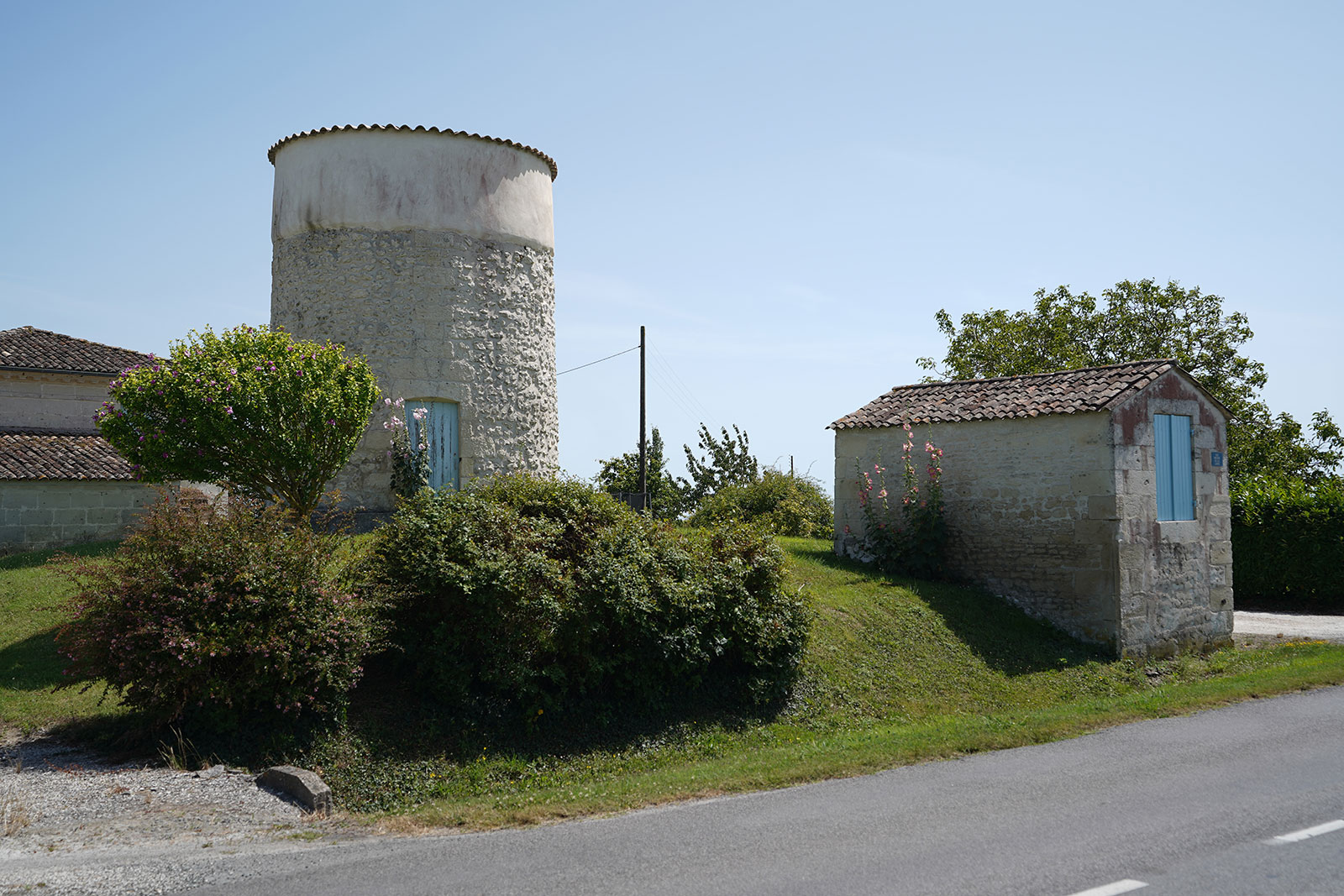
The name " Touvent " is frequently used in Saintonge for paths open to the wind. On the hillsides of the Gironde estuary, people have taken advantage of this natural element by building windmills. In fact, on the road to Mortagne, the old tower of the Lande mill is the last remaining vestige of this in the commune. Near the Valleret forest, Touvent was a quarrying village where limestone was extracted.
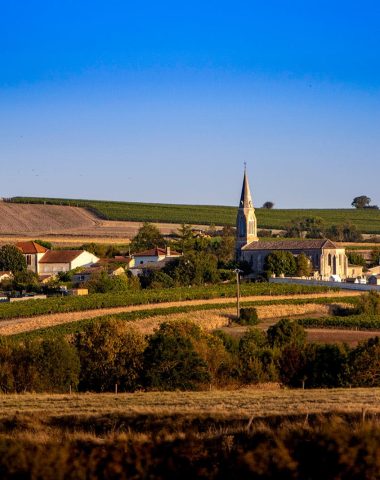
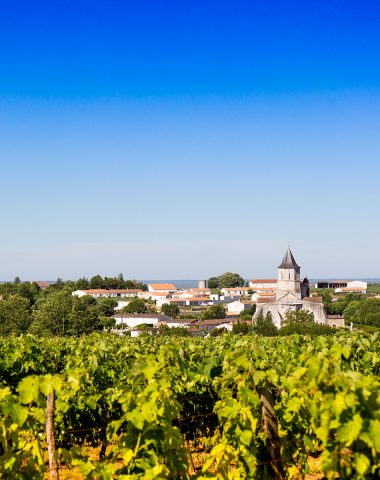
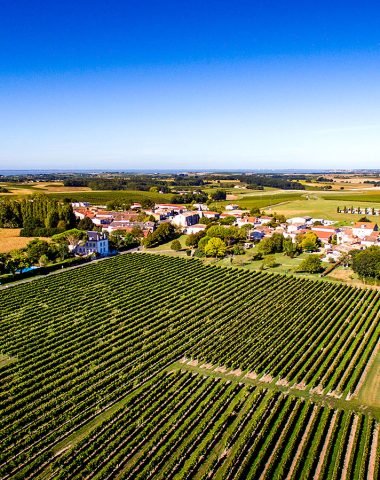
With their sun-drenched hillsides, the landscapes of Boutenac-Touvent are distinguished by the presence of vineyards . On the Côte de Beauté road that passes through the village, the Mornet Oenology laboratory advises professionals and supports them from vinification to bottling for Charentais wines, Cognac, and Pineau des Charentes.
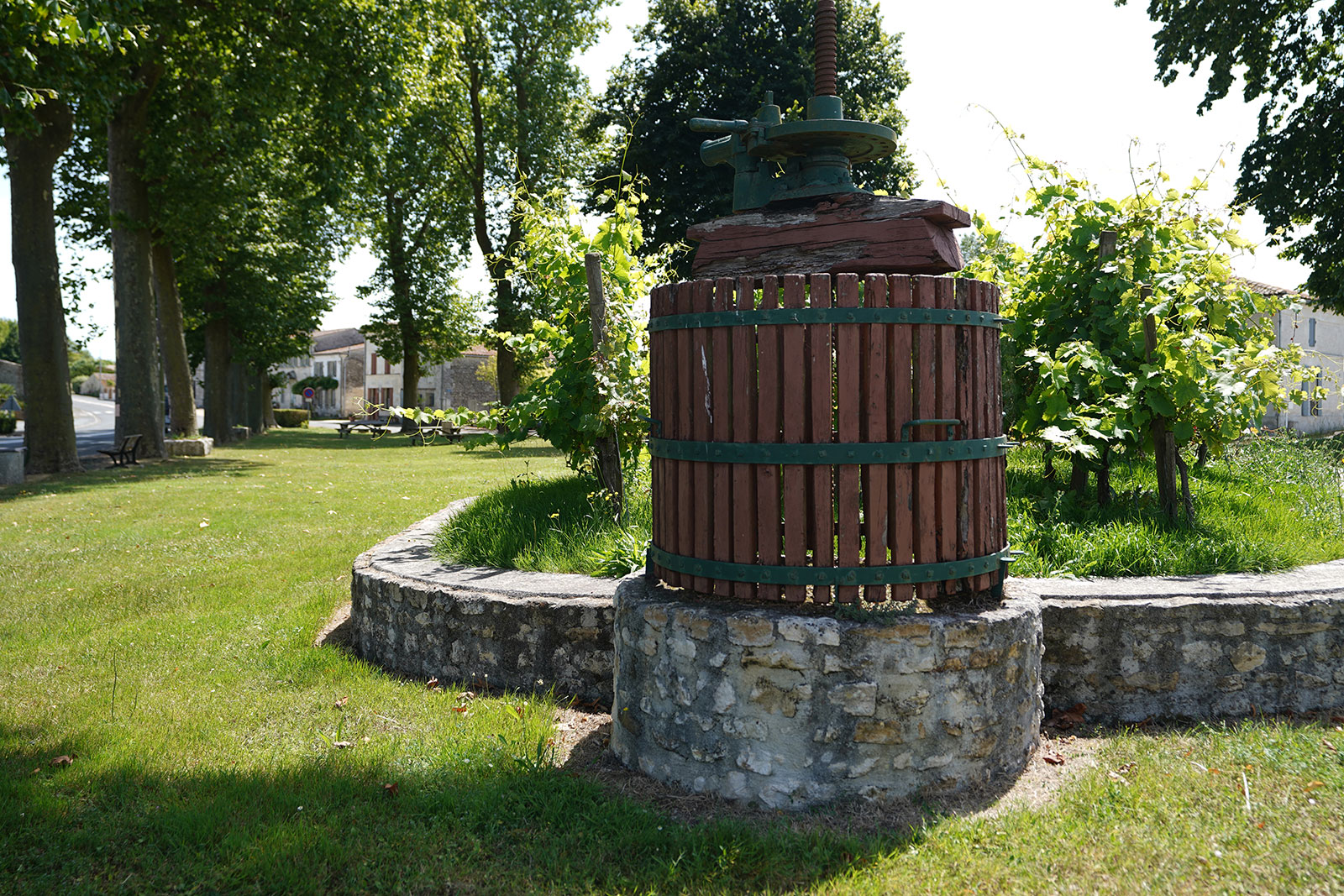
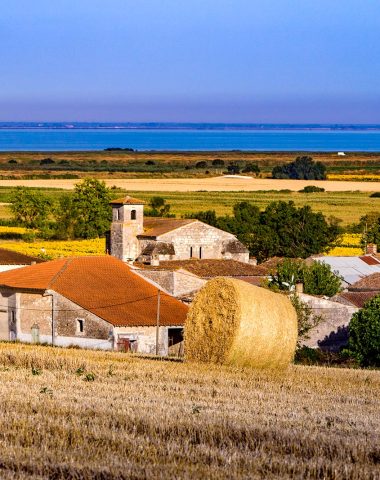
From the town hall square, set off on mountain bike trail no. 9 for a 14 km ride through the Charente vineyards and fields of grain: corn, wheat, barley, and potatoes. The route is easy enough for the whole family. You'll cycle through the Charente-Maritime hinterland, passing through Brie-sous-Mortagne and Floirac before returning to Boutenac-Touvent. The area exudes a sense of humility; past generations have shaped the landscapes with respect for nature.
Circuit VTT N°9 – Boutenac-Touvent
Moderate level

Boutenac, across fields
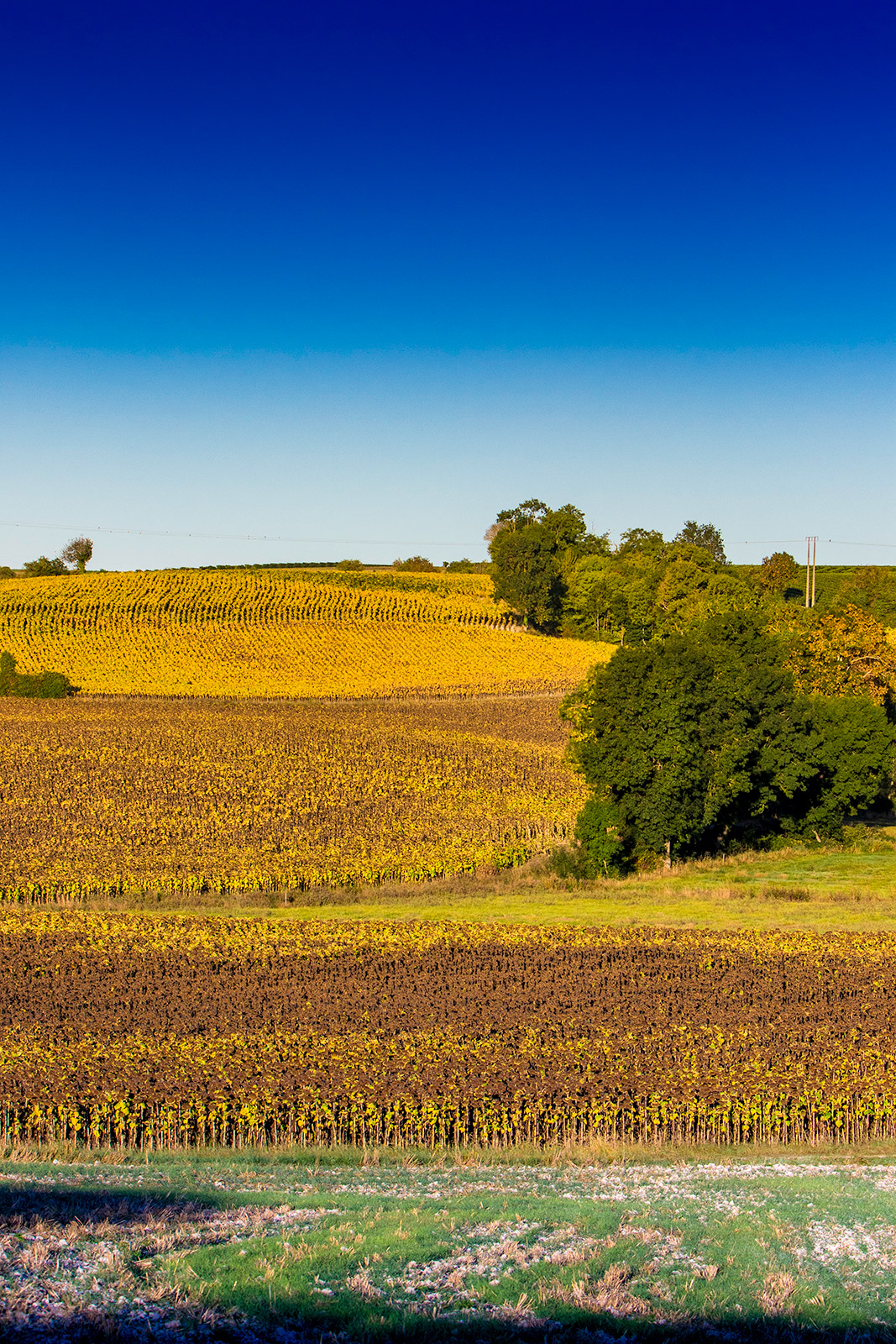
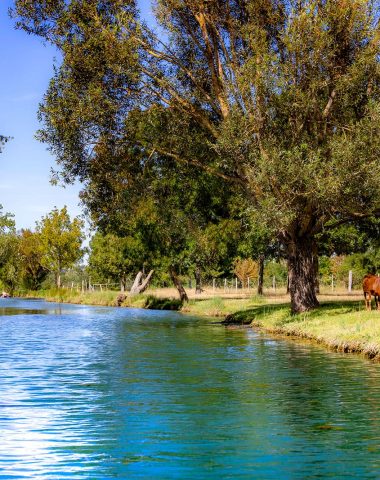
The name " Boutenac » would derive its origins from Old French and would mean « from where the water springs ». Evidenced by the wash house of Pissot (Saintonge word designating a source flowing from a rock). It consists of stamps (stone bins) sheltered under a balet (courtyard). The women came there to wash their clothes during the day and in the evening, the men watered the herds there. In both cases, it was a place of discussion and exchange on the life of the village. The laundry is not the only vestige of the small heritage of Boutenac-Touvent. At a bend in the path, the former square dovecote continues to protect birds against migrants.
The Church of Our Lady of the Assumption with its rectangular plan is the only "pure" early Gothic church of the country of Royan. It dates from the XNUMXth century, when Romanesque art dominated Saintonge. In the middle of the hilly landscapes of the hills of the Gironde, its campanile with two bells can be seen from afar from the country lanes coming from Mortagne. Another distinctive element above the portal, the oculus makes it even more possible to distinguish Notre-Dame de l'Assomption from the other churches in the Royan area.
Boutenac-Touvent has retained all of its agricultural vocation. It transmits to its visitors a history of tradition and memory which makes it possible to better apprehend the campaign of the country of Royan.
Explore
The other municipalities of the Gironde estuary